

Processing...
- 24/7 Online Scheduling Available
- Instant SMS Quotes Available

Definition of commercial carpet cleaning: Commercial carpet cleaning refers to the specialized process of cleaning carpets in business and office environments, employing techniques that ensure a thorough and long-lasting cleanliness.
Importance of carpet cleaning in commercial spaces: Regular carpet cleaning in commercial settings enhances the overall aesthetic, prolongs carpet life, and contributes to a healthier environment for employees and clients alike.
Purpose of the case study: This case study aims to analyze a specific instance of commercial carpet cleaning, highlighting the cleaning methods used, the results achieved, and the lessons learned for future projects.
Overview of the commercial sector involved: The case study focuses on a medium-sized corporate office located in an urban area, housing multiple departments with high foot traffic.
Initial condition of the carpets:
Previous cleaning efforts and their outcomes: Previous attempts included routine vacuuming and annual shampooing, which yielded minimal improvement in stain removal and overall appearance.
Goals for carpet appearance and cleanliness: The primary goal was to restore the carpets' original look and enhance cleanliness throughout the office space.
Impact on overall environment and aesthetics: A cleaner workspace was expected to positively influence employee satisfaction and create a professional impression for visitors.
Selection of cleaning methods and technologies:
Preparation steps taken before cleaning: Included moving furniture, vacuuming, and pre-treating stains for maximum effectiveness.
Implementation of the cleaning process:
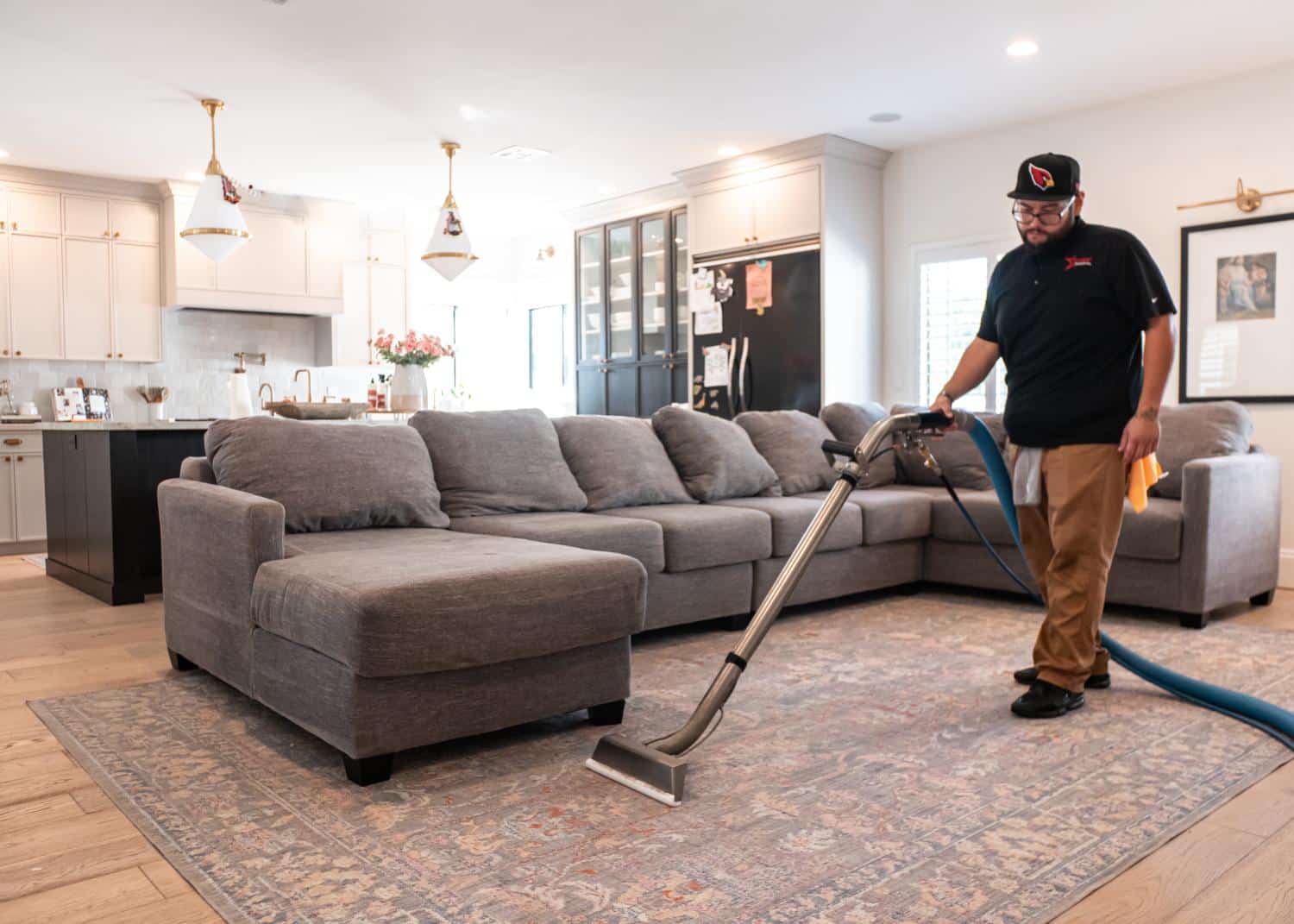
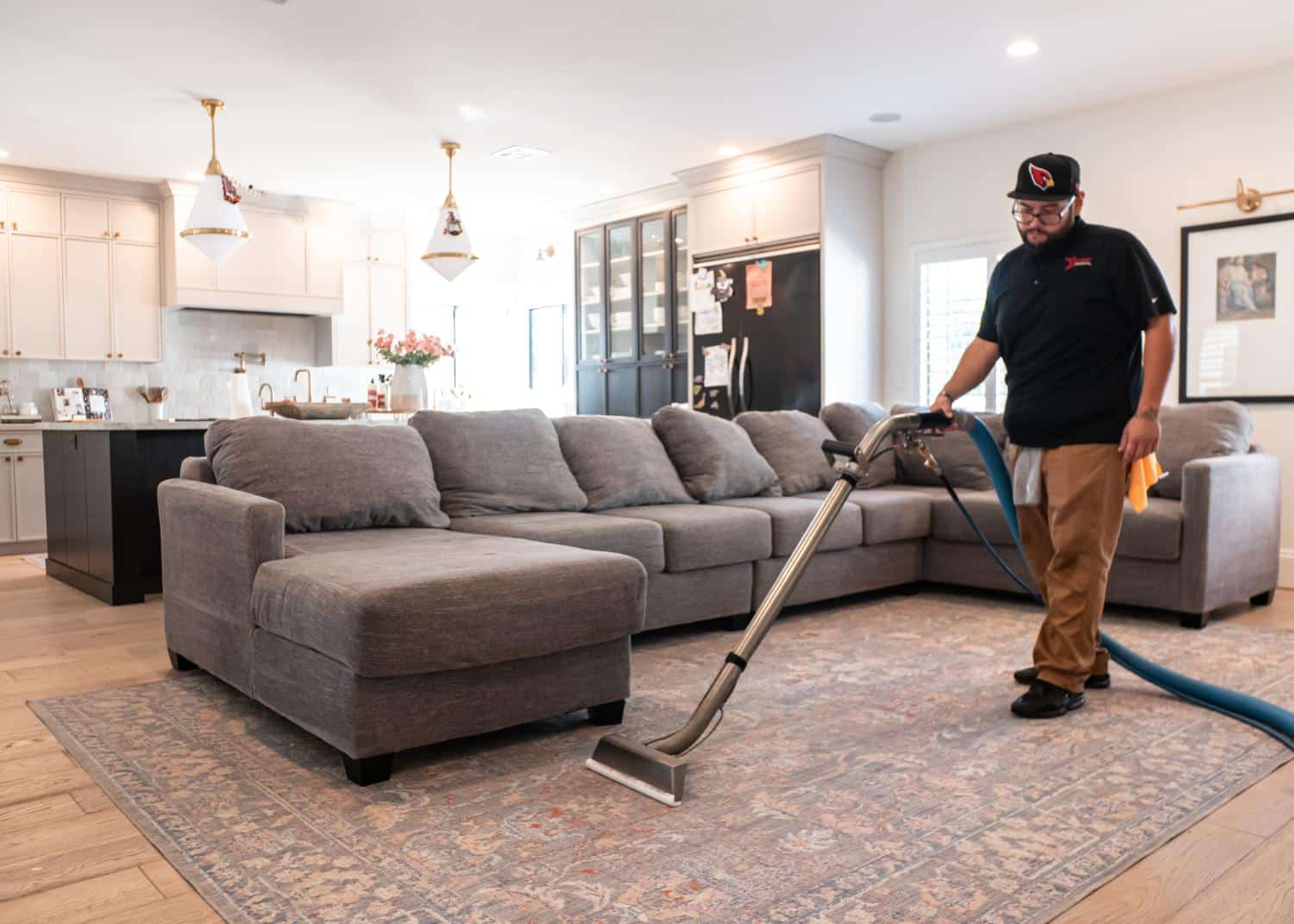
Before and after visual comparison: A significant transformation was observed, with carpets appearing visibly brighter and more inviting.
Analysis of cleaning effectiveness:
Feedback from stakeholders: Employees and management alike expressed satisfaction with the results, noting an improved office ambiance.
Difficult areas or types of stains: Some older stains proved resistant, requiring additional treatment.
Time constraints or operational disruptions: Timing was critical to avoid interference with daily operations, leading to adjustments in the cleaning schedule.
Adaptations made during the cleaning process: The team had to modify techniques based on carpet type and stain severity as the project progressed.
Summary of findings: This case study demonstrated the effectiveness of professional carpet cleaning in rejuvenating commercial spaces, with methods tailored to specific challenges.
Recommendations for future cleaning efforts: Regular maintenance, timely stain treatment, and professional cleanings every 6-12 months were advised.
Long-term benefits of regular carpet maintenance in commercial settings: Consistent cleaning prolongs carpet life, maintains aesthetics, and promotes a healthier workspace.
Sources of information and data used in the case study: Industry standards, cleaning manuals, and expert interviews.
Additional resources for carpet cleaning best practices: Professional cleaning associations and eco-friendly product manufacturers.
It is generally recommended that commercial carpets be cleaned every 6 to 12 months, depending on foot traffic and usage.
Steam cleaning and dry cleaning are commonly used methods that effectively remove dirt and stains from commercial carpets.
Yes, many professional carpet cleaners offer eco-friendly cleaning solutions that are safe for both the environment and building occupants.
While many stains can be effectively removed, some may be more resistant or permanent, requiring special treatments.
Regular maintenance extends carpet life, improves indoor air quality, enhances appearance, and creates a healthier work environment.


